Portosystemic Encephalopathy (PSE) Syndrome Test, Critical Flicker Frequency (CFF) and P300 Evoked Response Potential for the Diagnosis of Minimal Hepatic Encephalopathy.

(postMD fellowship PGIMER, Chandigarh)
MD (Doctor of Medicine), Internal Medicine, PGIMER, Chandigarh
MBBS (Bachelor Of Medicine & Bachelor Of Surgery), Dhaka University
roshankurmi@gmail.com
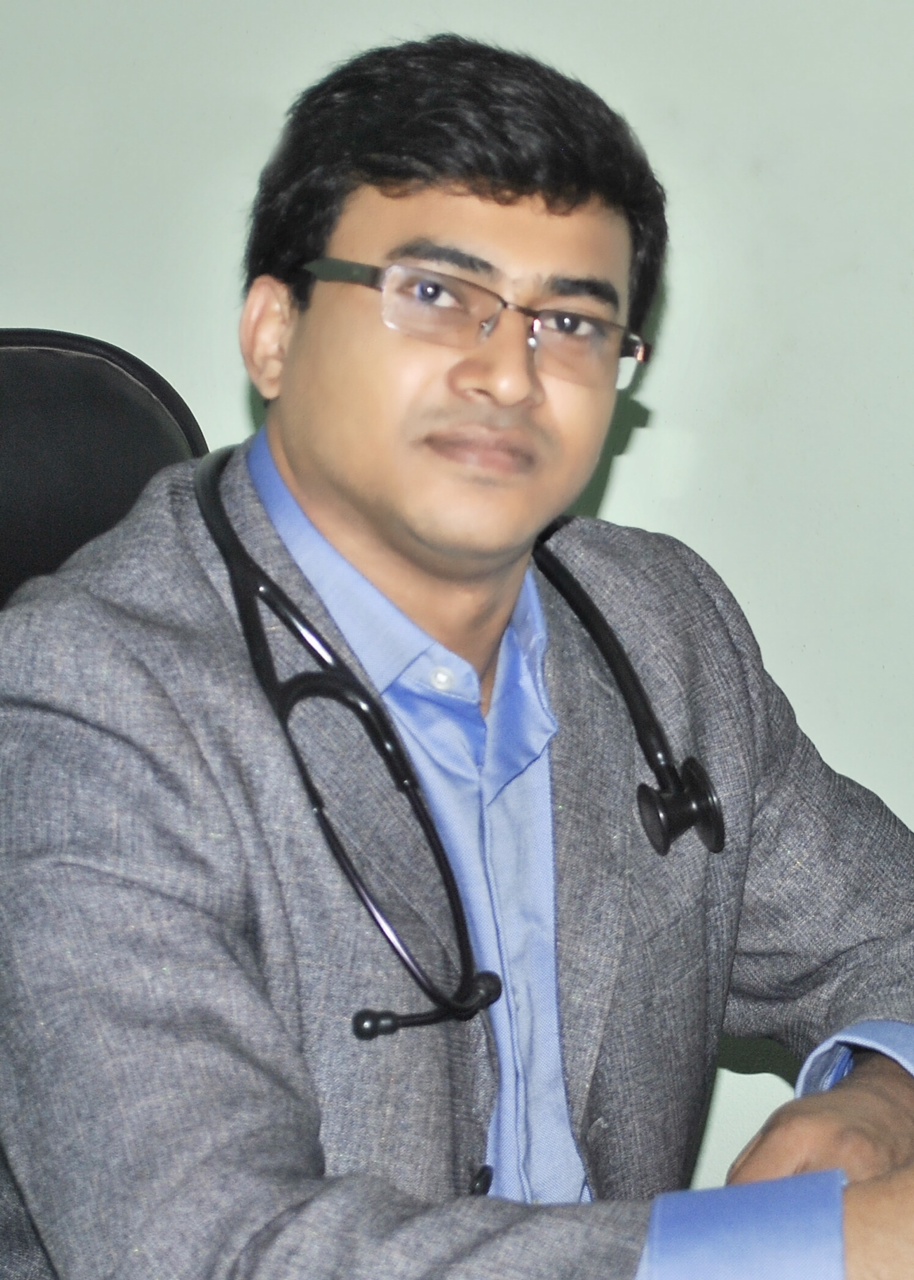
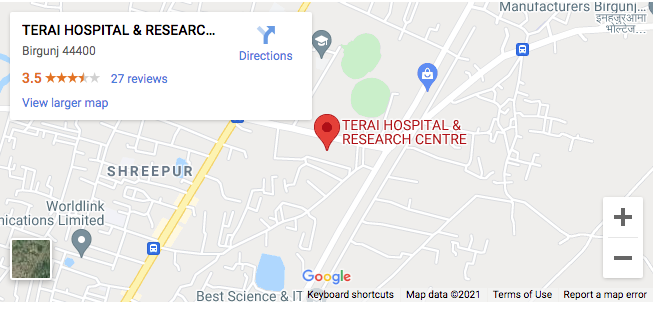
Dr Roshan Kurmi, is the leading Internal Medicin doctor in Birgunj working as Head of Department of Medicine at Terai Hospital, Birgunj. He is Associate Professor of Internal Medicine.
Dr. Roshan Kurmi, studied high school at Dipendra Police School Sanga and intermediate of Science from Kathmandu University. Dr Kurmi completed his MBBS from Dhaka University Bangladesh and Post Graduation in Internal Medicine from PGIMER, Chandigarh. He got advance training in Cardiology and Gastroenterology and Hepatology from prestigious PGIMER, Chandigarh after his MD in Internal Medicine.
He worked as Assistant Professor in Medicine in National Medical College from 2009 to 2021. He is a visiting faculty (Associate Professor) of Medicine at National Medical College.
Specialization.
-Raising Health care cost, distant super specialization services and lack of health insurance and government services are shifting economic growth and putting added burden in the life of common people who can’t afford the health cost.
-With the mission to combat disease and to help the poor and needy, Dr. Roshan Kurmi, Planned to provide his services for the nation, society and his own birth place in Parsa district.
With that vision, Dr Kurmi serves in Terai as independent non -profit, non-Partisan Health care and research centre at Terai Hospital dedicated for patient case and promoting health education and research.
Article 1 : Clinical Management Guidelines
Article 2: Hepatic encephalopathy in patients with liver disease
Article 3: Abnormalities in Patients with Minimal Hepatic Encephalopathy
The human life on the earth is full of joy and sorrows, ups and downs, strength and weakness and health and illness. Like day and night these happenings are inherent in everyone’s life. But it is silver lining that there are noble people who work all their lives to mitigate the sufferings of the others. Among them, the profession of doctors is perhaps most respected for service to the society.
A doctor dedicates his life to the service of the patients. He or she relieves the sufferings and pain of mankind. He cures them from disease and illness. He strives to make the life of others better and healthier. He is a source of hope and strength. Even in distress his duty is first towards his patient. Always remembering the famous Hippocratic oath, he pledges his life in alleviating the sufferings of the patients.
As a result we find that the fields of medicine and surgery have advanced beyond imagination. A failing heart can be saved, a perforated intestine can be operated and a damaged organ can be transplanted, in today’s medically advanced world.
The existing health care services in southern Nepal is still insufficient so many people can’t reach the higher centre in time or they can’t afford the growing cost of treatment. With the mission to help the needy and provide standard of medical care, we and our team are happy to provide the state of art diagnostic, therapeutic and 24 hour emergency at Terai Hospital Birgunj.
I appreciate your interest in my website and look forward to getting to know you better. Medical science has its own limitations, yet all of us at our center will extend every courtesy to make sure you are satisfied and that your questions are answered.
With regards
Dr Roshan Kurmi,MD
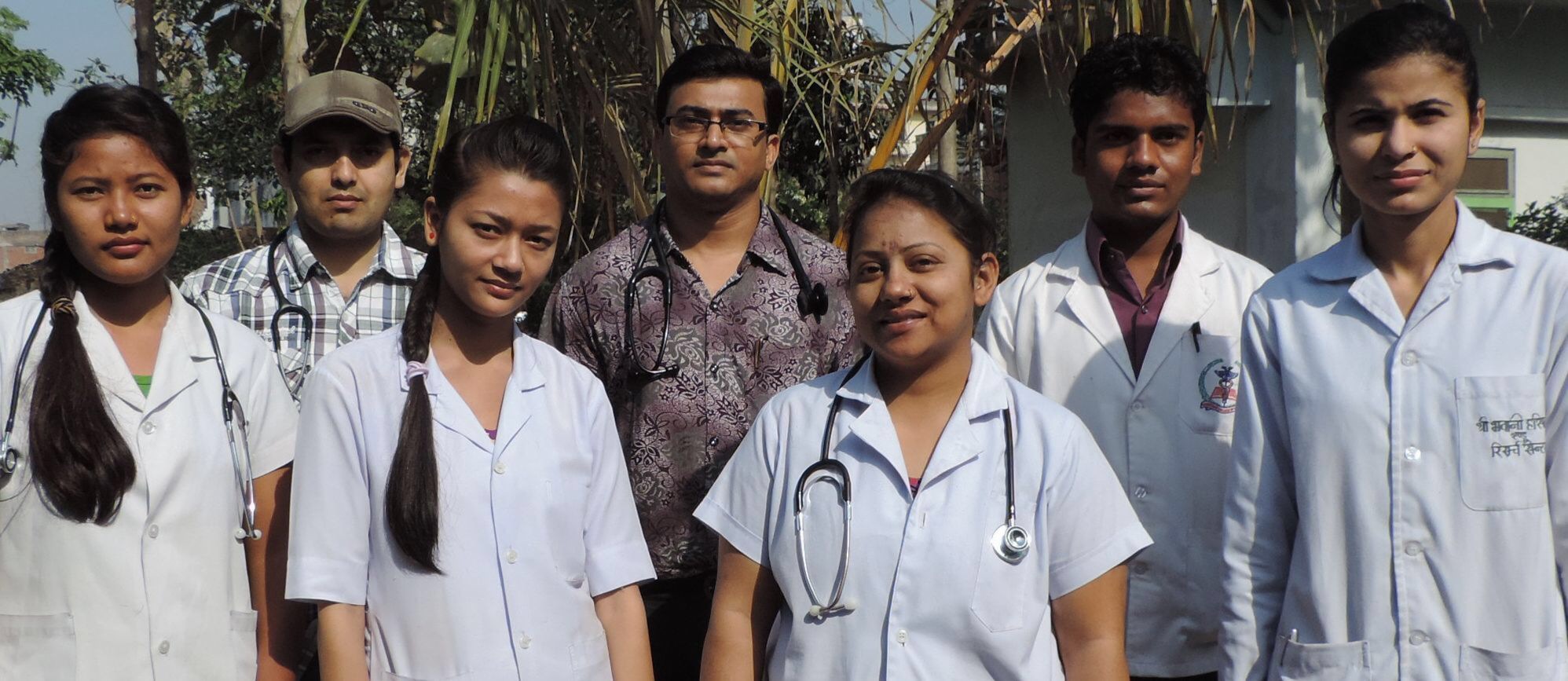
Dr. Roshan Kurmi was trained in Gastroenterology and Hepatology from Prestigious PGIMER under Professor Y.K Chawla and R.K. Dhiman.
Services:

We provide overall patient care in Cardiology such as Hypertension, Coronary Artery Disease, Rheumatic, Heart Disease, Heart Failure, Preventive Cardiology, Cardiovascular Diseases.
Pulmonology is the subspecialty of internal medicine concerned with diseases of the respiratory tract and lungs.
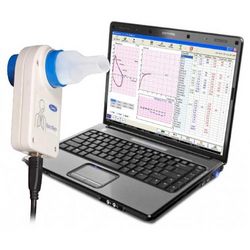
we provide diagnostic services such as X-rays, CT scans, Pulmonary Function Tests(spirometry), and state of art therapeutics in diseases of respiratory system such as Asthma, Chronic obstructive pulmonary disease(COPD),Tuberculosis, Pnemonia, ARDS, ILDs,Pleural diseases and management of respiratory failure including critical care in ICU.
Diagnostic, Therapeutic and preventive endocrinology services in the field of :
State of art diagnostic radiology services by Dr. Vandana Mourya and Dr Ved Prakash Giri

We have 24 hour Emergency services, 10 bedded ICU/NICU services and 30 bed indoor services.
We provide 24 hours Emergency Services at Terai Hospital.
For further please contact 051419252, our 24 hours emergency or Eergency Registrar Dr Jamil Akhtar 9801021996.
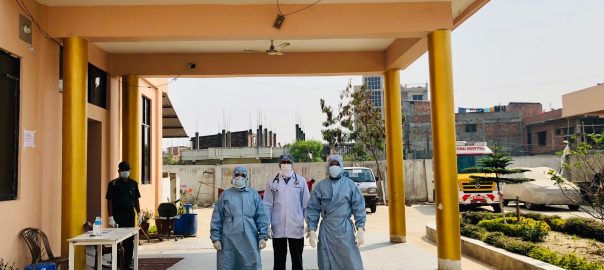
Terai Hospital operates 24 hrs ICU AMBULANCE services. if needed, Please contact Driver Hira 9811250288 or Hospital 051419252 for service.

Dr. Roshan Kurmi was trained in Gastroenterology and Hepatology from Prestigious PGIMER under Professor Y.K Chawla and R.K. Dhiman.
Services:
We provide overall patient care in Cardiology such as Hypertension, Coronary Artery Disease, Rheumatic, Heart Disease, Heart Failure, Preventive Cardiology, Cardiovascular Diseases.
Pulmonology is the subspecialty of internal medicine concerned with diseases of the respiratory tract and lungs.
we provide diagnostic services such as X-rays, CT scans, Pulmonary Function Tests(spirometry), and state of art therapeutics in diseases of respiratory system such as Asthma, Chronic obstructive pulmonary disease(COPD),Tuberculosis, Pnemonia, ARDS, ILDs,Pleural diseases and management of respiratory failure including critical care in ICU.
Diagnostic, Therapeutic and preventive endocrinology services in the field of :
State of art diagnostic radiology services by Dr. Vandana Mourya and Dr Ved Prakash Giri
We have 24 hour Emergency services, 10 bedded ICU/NICU services and 30 bed indoor services.
We provide 24 hours Emergency Services at Terai Hospital.
For further please contact 051419252, our 24 hours emergency or Eergency Registrar Dr Jamil Akhtar 9801021996.
Terai Hospital operates 24 hrs ICU AMBULANCE services. if needed, Please contact Driver Hira 9811250288 or Hospital 051419252 for service.
Coming Soon…
Coming Soon…
347 million people worldwide have diabetes.
WHO projects that diabetes will be the 7th leading cause of death in 2030. It is estimated that above 40 years of age,one in three men and one in four women have diabetes or prediabetes.
Healthy diet, regular physical activity, maintaining a normal body weight and avoiding tobacco use can prevent or delay the onset of type 2 diabetes.
What is diabetes?
Diabetes is a chronic disease that occurs either when the pancreas does not produce enough insulin or when the body cannot effectively use the insulin it produces. Insulin is a hormone that regulates blood sugar. Hyperglycaemia, or raised blood sugar, is a common effect of uncontrolled diabetes and over time leads to serious damage to many of the body’s systems, especially the nerves and blood vessels.
Type 1 diabetes
Type 1 diabetes (previously known as insulin-dependent, juvenile or childhood-onset) is characterized by deficient insulin production and requires daily administration of insulin. The cause of type 1 diabetes is not known and it is not preventable with current knowledge.
Symptoms include excessive excretion of urine (polyuria), thirst (polydipsia), constant hunger, weight loss, vision changes and fatigue. These symptoms may occur suddenly.
Type 2 diabetes
Type 2 diabetes (formerly called non-insulin-dependent or adult-onset) results from the body’s ineffective use of insulin. Type 2 diabetes comprises 90% of people with diabetes around the world (5), and is largely the result of excess body weight and physical inactivity.
Gestational diabetes
Gestational diabetes is hyperglycaemia with onset or first recognition during pregnancy.
Symptoms of gestational diabetes are similar to Type 2 diabetes. Gestational diabetes is most often diagnosed through prenatal screening, rather than reported symptoms.
Impaired glucose tolerance (IGT) and impaired fasting glycaemia (IFG)
Impaired glucose tolerance (IGT) and impaired fasting glycaemia (IFG) are intermediate conditions in the transition between normality and diabetes. People with IGT or IFG are at high risk of progressing to type 2 diabetes, although this is not inevitable.
What are common consequences of diabetes?
Over time, diabetes can damage the heart, blood vessels, eyes, kidneys, and nerves.
Diabetes increases the risk of heart disease and stroke. 50% of people with diabetes die of cardiovascular disease (primarily heart disease and stroke).
Combined with reduced blood flow, neuropathy (nerve damage) in the feet increases the chance of foot ulcers, infection and eventual need for limb amputation.
Diabetic retinopathy is an important cause of blindness, and occurs as a result of long-term accumulated damage to the small blood vessels in the retina. One percent of global blindness can be attributed to diabetes.
Diabetes is among the leading causes of kidney failure.
The overall risk of dying among people with diabetes is at least double the risk of their peers without diabetes.
How can the burden of diabetes be reduced?
Prevention
Simple lifestyle measures have been shown to be effective in preventing or delaying the onset of type 2 diabetes. To help prevent type 2 diabetes and its complications, people should:
achieve and maintain healthy body weight;
be physically active – at least 30 minutes of regular, moderate-intensity activity on most days.
More activity is required for weight control;
eat a healthy diet of between three and five servings of fruit and vegetables a day and reduce sugar and saturated fats intake;
avoid tobacco use – smoking increases the risk of cardiovascular diseases.
Diagnosis and treatment
Early diagnosis can be accomplished through relatively inexpensive blood testing.
Treatment of diabetes involves lowering blood glucose and the levels of other known risk factors that damage blood vessels. Tobacco use cessation is also important to avoid complications.
Interventions that are both cost saving and feasible in developing countries include:
moderate blood glucose control. People with type 1 diabetes require insulin; people with type 2 diabetes can be treated with oral medication, but may also require insulin; blood pressure control; foot care.
Other cost saving interventions include:
screening and treatment for retinopathy (which causes blindness);
blood lipid control (to regulate cholesterol levels);
screening for early signs of diabetes-related kidney disease.
These measures should be supported by a healthy diet, regular physical activity, maintaining a normal body weight and avoiding tobacco use.
Coming Soon…
Key facts
Physical inactivity is the fourth leading risk factor for death worldwide. Approximately 3.2 million people die each year due to physical inactivity.
Physical inactivity is a key risk factor for noncommunicable diseases (NCDs) such as cardiovascular diseases, cancer and diabetes.
Physical activity has significant health benefits and contributes to prevent NCDs.
Globally, one in three adults is not active enough.
WHO defines physical activity as any bodily movement produced by skeletal muscles that requires energy expenditure – including activities undertaken while working, playing, carrying out household chores, travelling, and engaging in recreational pursuits.
The term “physical activity” should not be confused with “exercise”, which is a subcategory of physical activity that is planned, structured, repetitive, and aims to improve or maintain one or more components of physical fitness. Both, moderate and vigorous intensity physical activity brings health benefits.
The intensity of different forms of physical activity varies between people. In order to be beneficial for cardiorespiratory health, all activity should be performed in bouts of at least 10 minutes duration.
WHO recommends:
for children and adolescents: 60 minutes of moderate to vigorous intensity activity per day;
for adults (18+): 150 minutes of moderate-intensity activity per week.
Benefits of physical activity
Regular physical activity of moderate intensity – such as walking, cycling, or doing sports, has significant benefits for health. At all ages, the benefits of being physically active outweigh potential harm, for example through accidents. Some physical activity is better than doing none. By becoming more active throughout the day in relatively simple ways, people can quite easily achieve the recommended activity levels.
Regular and adequate levels of physical activity:
improve muscular and cardiorespiratory fitness; improve bone and functional health; reduce the risk of hypertension, coronary heart disease, stroke, diabetes, breast and colon cancer and depression; reduce the risk of falls as well as hip or vertebral fractures; and
are fundamental to energy balance and weight control.
Risks of physical inactivity
Physical inactivity is the fourth leading risk factor for global mortality and causes 6% of all deaths. It is only outstripped by high blood pressure (13%) and tobacco use (9%) and carries the same level of risk as high blood glucose (6%). Approximately 3.2 million people die each year because they are not active enough.
Physical inactivity is on the rise in many countries, adding to the burden of noncommunicable diseases and affecting general health worldwide. People who are insufficiently active have a 20% to 30% increased risk of death compared to people who engage in at least 30 minutes of moderate intensity physical activity on most days of the week.
Physical inactivity is the main cause for approximately:
21–25% of breast and colon cancers
27% of diabetes
30% of ischaemic heart disease.
Reasons for physical inactivity
The levels of physical inactivity increased across the globe. Globally, around 31% of adults aged 15 and over were not active enough in 2008 (men 28% and women 34%). In high-income countries, 41% of men and 48% of women were insufficiently physically active, as compared to 18% of men and 21% of women in low-income countries. Low or decreasing physical activity levels often correspond with a high or rising gross national product. The drop in physical activity is partly due to inaction during leisure time and sedentary behaviour on the job and at home. Likewise, an increase in the use of “passive” modes of transportation also contributes to physical inactivity.
Several environmental factors which are linked to urbanization can discourage people from becoming more active, such as:
fear of violence and crime in outdoor areas
high-density traffic
low air quality, pollution
lack of parks, sidewalks and sports/recreation facilities.
Coming Soon…
Coming Soon…
Coming Soon…
Coming Soon…
347 million people worldwide have diabetes.
WHO projects that diabetes will be the 7th leading cause of death in 2030. It is estimated that above 40 years of age,one in three men and one in four women have diabetes or prediabetes.
Healthy diet, regular physical activity, maintaining a normal body weight and avoiding tobacco use can prevent or delay the onset of type 2 diabetes.
What is diabetes?
Diabetes is a chronic disease that occurs either when the pancreas does not produce enough insulin or when the body cannot effectively use the insulin it produces. Insulin is a hormone that regulates blood sugar. Hyperglycaemia, or raised blood sugar, is a common effect of uncontrolled diabetes and over time leads to serious damage to many of the body’s systems, especially the nerves and blood vessels.
Type 1 diabetes
Type 1 diabetes (previously known as insulin-dependent, juvenile or childhood-onset) is characterized by deficient insulin production and requires daily administration of insulin. The cause of type 1 diabetes is not known and it is not preventable with current knowledge.
Symptoms include excessive excretion of urine (polyuria), thirst (polydipsia), constant hunger, weight loss, vision changes and fatigue. These symptoms may occur suddenly.
Type 2 diabetes
Type 2 diabetes (formerly called non-insulin-dependent or adult-onset) results from the body’s ineffective use of insulin. Type 2 diabetes comprises 90% of people with diabetes around the world (5), and is largely the result of excess body weight and physical inactivity.
Gestational diabetes
Gestational diabetes is hyperglycaemia with onset or first recognition during pregnancy.
Symptoms of gestational diabetes are similar to Type 2 diabetes. Gestational diabetes is most often diagnosed through prenatal screening, rather than reported symptoms.
Impaired glucose tolerance (IGT) and impaired fasting glycaemia (IFG)
Impaired glucose tolerance (IGT) and impaired fasting glycaemia (IFG) are intermediate conditions in the transition between normality and diabetes. People with IGT or IFG are at high risk of progressing to type 2 diabetes, although this is not inevitable.
What are common consequences of diabetes?
Over time, diabetes can damage the heart, blood vessels, eyes, kidneys, and nerves.
Diabetes increases the risk of heart disease and stroke. 50% of people with diabetes die of cardiovascular disease (primarily heart disease and stroke).
Combined with reduced blood flow, neuropathy (nerve damage) in the feet increases the chance of foot ulcers, infection and eventual need for limb amputation.
Diabetic retinopathy is an important cause of blindness, and occurs as a result of long-term accumulated damage to the small blood vessels in the retina. One percent of global blindness can be attributed to diabetes.
Diabetes is among the leading causes of kidney failure.
The overall risk of dying among people with diabetes is at least double the risk of their peers without diabetes.
How can the burden of diabetes be reduced?
Prevention
Simple lifestyle measures have been shown to be effective in preventing or delaying the onset of type 2 diabetes. To help prevent type 2 diabetes and its complications, people should:
achieve and maintain healthy body weight;
be physically active – at least 30 minutes of regular, moderate-intensity activity on most days.
More activity is required for weight control;
eat a healthy diet of between three and five servings of fruit and vegetables a day and reduce sugar and saturated fats intake;
avoid tobacco use – smoking increases the risk of cardiovascular diseases.
Diagnosis and treatment
Early diagnosis can be accomplished through relatively inexpensive blood testing.
Treatment of diabetes involves lowering blood glucose and the levels of other known risk factors that damage blood vessels. Tobacco use cessation is also important to avoid complications.
Interventions that are both cost saving and feasible in developing countries include:
moderate blood glucose control. People with type 1 diabetes require insulin; people with type 2 diabetes can be treated with oral medication, but may also require insulin; blood pressure control; foot care.
Other cost saving interventions include:
screening and treatment for retinopathy (which causes blindness);
blood lipid control (to regulate cholesterol levels);
screening for early signs of diabetes-related kidney disease.
These measures should be supported by a healthy diet, regular physical activity, maintaining a normal body weight and avoiding tobacco use.
Coming Soon…
Key facts
Physical inactivity is the fourth leading risk factor for death worldwide. Approximately 3.2 million people die each year due to physical inactivity.
Physical inactivity is a key risk factor for noncommunicable diseases (NCDs) such as cardiovascular diseases, cancer and diabetes.
Physical activity has significant health benefits and contributes to prevent NCDs.
Globally, one in three adults is not active enough.
WHO defines physical activity as any bodily movement produced by skeletal muscles that requires energy expenditure – including activities undertaken while working, playing, carrying out household chores, travelling, and engaging in recreational pursuits.
The term “physical activity” should not be confused with “exercise”, which is a subcategory of physical activity that is planned, structured, repetitive, and aims to improve or maintain one or more components of physical fitness. Both, moderate and vigorous intensity physical activity brings health benefits.
The intensity of different forms of physical activity varies between people. In order to be beneficial for cardiorespiratory health, all activity should be performed in bouts of at least 10 minutes duration.
WHO recommends:
for children and adolescents: 60 minutes of moderate to vigorous intensity activity per day;
for adults (18+): 150 minutes of moderate-intensity activity per week.
Benefits of physical activity
Regular physical activity of moderate intensity – such as walking, cycling, or doing sports, has significant benefits for health. At all ages, the benefits of being physically active outweigh potential harm, for example through accidents. Some physical activity is better than doing none. By becoming more active throughout the day in relatively simple ways, people can quite easily achieve the recommended activity levels.
Regular and adequate levels of physical activity:
improve muscular and cardiorespiratory fitness; improve bone and functional health; reduce the risk of hypertension, coronary heart disease, stroke, diabetes, breast and colon cancer and depression; reduce the risk of falls as well as hip or vertebral fractures; and
are fundamental to energy balance and weight control.
Risks of physical inactivity
Physical inactivity is the fourth leading risk factor for global mortality and causes 6% of all deaths. It is only outstripped by high blood pressure (13%) and tobacco use (9%) and carries the same level of risk as high blood glucose (6%). Approximately 3.2 million people die each year because they are not active enough.
Physical inactivity is on the rise in many countries, adding to the burden of noncommunicable diseases and affecting general health worldwide. People who are insufficiently active have a 20% to 30% increased risk of death compared to people who engage in at least 30 minutes of moderate intensity physical activity on most days of the week.
Physical inactivity is the main cause for approximately:
21–25% of breast and colon cancers
27% of diabetes
30% of ischaemic heart disease.
Reasons for physical inactivity
The levels of physical inactivity increased across the globe. Globally, around 31% of adults aged 15 and over were not active enough in 2008 (men 28% and women 34%). In high-income countries, 41% of men and 48% of women were insufficiently physically active, as compared to 18% of men and 21% of women in low-income countries. Low or decreasing physical activity levels often correspond with a high or rising gross national product. The drop in physical activity is partly due to inaction during leisure time and sedentary behaviour on the job and at home. Likewise, an increase in the use of “passive” modes of transportation also contributes to physical inactivity.
Several environmental factors which are linked to urbanization can discourage people from becoming more active, such as:
fear of violence and crime in outdoor areas
high-density traffic
low air quality, pollution
lack of parks, sidewalks and sports/recreation facilities.
Coming Soon…
Coming Soon…
10 tips to lower your blood pressure without medication. http://mayocl.in/1mSutxL